



Drugs
It’s hard to get away from the subject of drugs these days. In the press, on TV, in the movies – it’s all around us. It’s pretty prevalent in your teen’s world, too.
When you think of drugs and your kids, the first thought that might cross your mind is, “hey, I smoked some pot when I was younger, and it never harmed me!”
Hard Facts About Drug Use
Marijuana: today’s marijuana is many times more potent now than it was just 10 years ago. In addition, instead of smoking marijuana cigarettes (joints), teens may now be smoking it in cigars (blunts). 60% of teens currently in drug treatment are dependent on pot. Today’s pot is simply more dangerous. You might hear the comment, “it must be okay – it’s natural, and grows on mother earth!” So does arsenic.
Let’s move on to what used to be known as the “harder stuff”
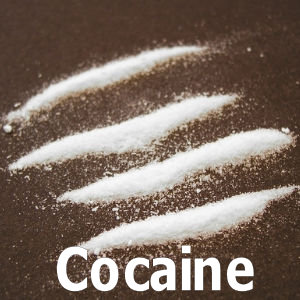
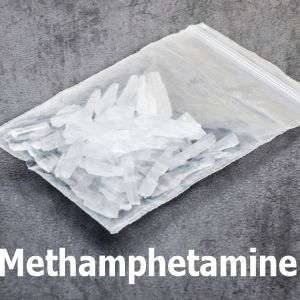
Cocaine: whether smoked, snorted or injected, cocaine is a powerful and highly addictive stimulant. Crack is a rock form of cocaine that is smokeable. Cocaine is available in a very pure form. Synthetic forms of cocaine such as crystal methamphetamine (known as crystal meth, crank) are also available, and tend to be cheaper than cocaine.
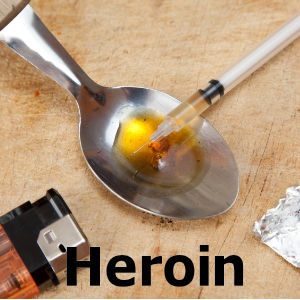
Heroin: Like cocaine, there is a supply of very pure heroin available. Because of this purity, today’s heroin can be snorted or smoked as well as injected. Heroin is a very powerful central nervous system depressant that can quickly cause a fatal overdose. Synthetic forms of heroin (such as fentanyl) are also currently available. Contrary to a common misconception, snorting heroin is addictive.
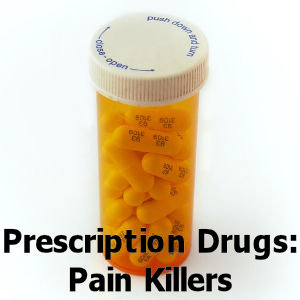
Prescription and over-the-counter drug abuse: medication abuse by teens is a growing problem. Preliminary research shows teens believe experimenting with medications is safer than using street drugs. Abuse of prescription and over-the-counter medications can be lethal. Codeine, Oxycontin, Hydrocodone, Percocet and Vicodin are all prescription pain relievers and are all opioids—narcotics that relieve pain. Oxycontin is an extremely strong opiate and one of the most potent addictive pain killers ever created, with a similar effect to heroin. Both drugs are attractive to the same users. A large single dose of Oxycontin can cause death.
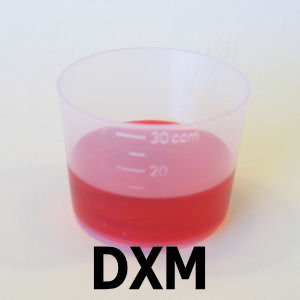
In addition to pain relievers, many emergency rooms across the country are seeing increased numbers of teens who are using over-the-counter cough and flu preparations that contain dextromethorphan (DXM). Taken in excess, this product can cause psychoactive effects or produce a “high”. Some of these cough and cold medications contain chemicals that, when taken in large amounts, can cause liver failure – even days after ingestion.
A Westchester County survey found that 5-9% of surveyed middle school students reported using cough or cold medicine to get high; “robotripping” is a term used to describe the activity. (source: Student Assistance Services, Corp.).
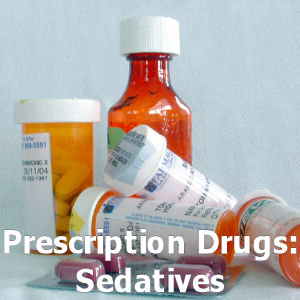
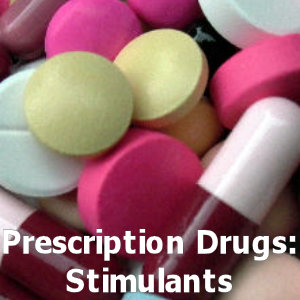
Other medications such as those for asthma and Attention Deficit Disorder (ADD), like Ritalin and Adderall, are sometimes taken by teens without a prescription because they think usage will help them study for longer periods. Some teens may also use pills to relax them. These include sleep aids such as Ambien and tranquilizers – Xanax, Valium or barbiturates.
You may have some of these medications in your medicine cabinet. If you do, your children know they’re in there, too.
Other substances teens might reach for:
Inhalants: examples include model airplane glue, nail polish remover, cleaning fluids, hair spray, gasoline, Freon, cooking spray and spray paint. Kids inhale these substances to obtain a “high”. It can kill suddenly, and can kill those who sniff for the first time.
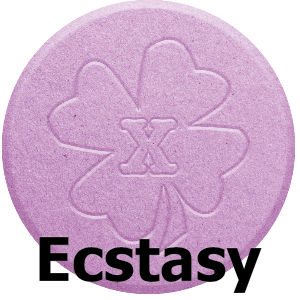
Club Drugs: cause damage to the neurons in your brain which impair your senses, memory, judgement and coordination.
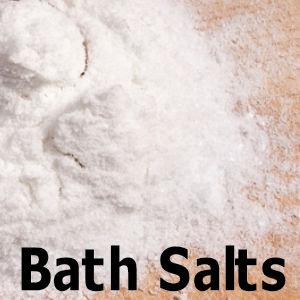
Synthetic Drugs: man-made examples include bath salts and K-2/Spice.
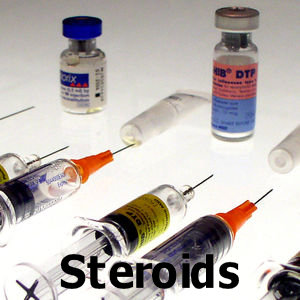
Steroids: athletes who claim that steroids give them a competitive advantage or improve their physical appearance use these drugs illegally. Side effects can include (for men) shrinking of testicles, infertility, baldness and development of breasts; (for women) growth of facial hair, interruption or cessation of menstrual cycle, deepened voice; and (for teens) shortened stature as well. Emotional side effects include paranoid jealousy, delusions and impaired judgment.
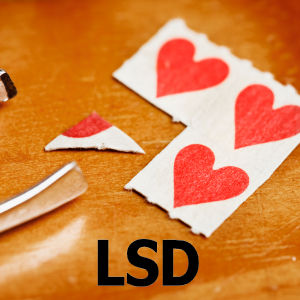
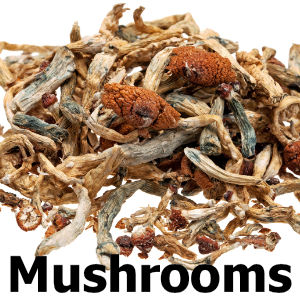
Hallucinogens: cause people to experience hallucinations, imagined experiences that seem real.
Methamphetamine: a powerful drug that act by changing how the brain works.