
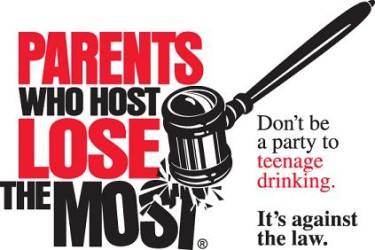
Some parents have rationalized that if they allow underage drinking parties at their residences they can at least exert some supervision over their children and their friends. Learn about the social host laws in New York!
Related Posts

August at ASK
Four ways parents can help teens use AI safely (American Psychological Association) Your teenager is already using artificial intelligence daily—often without even realizing it. Unlike social media, where teens know they’re talking to people, AI works invisibly through predictive text, chatbots, and personalized recommendations, shaping their experiences in ways teenagers don’t recognize. APA’s health advisory, […]

July at ASK
The Summer Slide in Teens and Its Impact on Mental Health The “summer slide” typically refers to the learning loss that many students experience during the extended break from structured academic instruction. While often discussed in the context of academics, the summer slide also has important implications for teen mental health. During the school year, […]

June at ASK
Prom and Graduation Season Proms, graduations and the parties surrounding them can be an exciting time for teens and parents that they usually can remember throughout their lives. But they can also be a time of heartbreak. There are all too often negative consequences, serious injuries, and even deaths. The good news is that parents […]

May at ASK
May is Mental Health Awareness Month May is Mental Health Awareness Month and there’s no better time than now to start making mental health a priority. Mental health conditions are real, common, and treatable. People experiencing mental health challenges deserve support, compassion, and care—not stigma and shame. Mental health includes our emotional, psychological, and social […]

April at ASK
April is Alcohol Awareness Month Why Small Conversations Make a Big Impression (SAMHSA) Talking to your child at an early age about drinking is the first step toward keeping them alcohol-free. But as they enter junior high and high school, the pressure to try alcohol increases. It’s important to continue the conversation throughout adolescence. Talking often […]